

Yes, a home safe is worth it for renters when it protects belongings you need to keep at home and you can install it appropriately. The main limitation is removal: an unanchored safe can be stolen with its contents, while drilling into a rental requires checking permission and property rules. In 2026, choose your protection needs and an acceptable installation method before choosing a safe.
- Is a home safe worth it for renters? Yes, when protection, installation permission and future removal work together.
- An unanchored home safe controls access but remains vulnerable to removal; concealment does not replace anchoring.
- Fire resistance and burglary resistance are separate; choose protection that matches your documents and valuables.
- BUYASAFE suits renters comparing home safes before arranging an approved installation.
Why this matters
Renters face a practical conflict: the safe must protect your belongings without creating an unauthorised alteration or a difficult move. A model that fits a cupboard is not automatically suitable for the floor beneath it, the available fixing points or the building's access route.
Start with the items you need to protect. Passports, jewellery and original documents present different storage needs, and a shared household adds questions about who can access the lock. The guide to safes for apartment renters covers the rental setting; the decision below starts with whether buying one solves your actual problem.
Is a home safe worth it for renters?
A home safe is worthwhile when its protection matches your belongings and its installation works within your tenancy. It is not worthwhile to buy a burglary-focused safe on the assumption that hiding it makes an unsuitable installation secure.
Use this comparison to separate the main options. These are storage approaches, not interchangeable levels of protection.
| Storage approach | Best for | Main benefit | Main limitation | Decision |
|---|---|---|---|---|
| Appropriately anchored security safe | Renters protecting theft-sensitive valuables with an approved fixing location | Resists removal when installed according to its instructions | Requires a suitable structure, permission checks and a removal plan | Choose when installation is feasible |
| Fire-resistant document safe | Renters prioritising protection of original paper records | Provides the fire protection described by its documented rating | Fire resistance alone does not establish burglary or water protection | Choose when the rating matches the contents |
| Unanchored lockable safe | Renters seeking controlled access within the household | Keeps contents behind a lock without structural fixing | The entire safe remains vulnerable to removal | Treat as limited access control, not equivalent burglary protection |
The benefit depends on how you use the safe, too. A suitable safe left unlocked does not control access, and an override key stored beside it undermines the lock. Your installation and access habits belong in the buying decision, not on a checklist after delivery.
Anchored security safes: best for theft-sensitive valuables
An anchored security safe is the stronger rental option when you have a suitable fixing location and the required approvals. Anchoring addresses the risk of someone taking the entire container away; the safe's construction and documented burglary resistance address attacks on the container itself.
Ask an installer to assess the proposed location before you commit. Concrete, timber flooring, wall framing and cabinetry are not interchangeable fixing surfaces. The installation must follow the particular safe's instructions and account for the structure beneath the visible finish.
For a rental installation in 2026, put the proposed location, fixing method and eventual reinstatement in writing. Do not assume an informal conversation covers drilling, removal or repairs when the tenancy ends.
Choose an anchored security safe only after the installation has been assessed. Its advantage is resistance to removal; its drawback is that permission, building suitability and a future move all need attention.
Fire-resistant document safes: best for original paper records
A fire-resistant document safe is relevant when your priority is protecting paper originals rather than simply restricting household access. Read the actual rating and intended contents. A product described as fire-resistant is not a promise that every item inside survives every fire.
Paper, electronic storage media and valuables have different protection requirements. Do not infer protection for a hard drive from a rating intended for documents, or water protection from a fire rating.
Check internal dimensions rather than relying on capacity alone. An A4 sheet measures 210 mm wide by 297 mm long; a folder, envelope or document sleeve needs additional room. An A3 sheet has a long edge of 420 mm, so oversized certificates need a separate fit check if you want to store them flat.
BUYASAFE sells home safes and fireproof safes. Compare the documented protection and usable interior rather than choosing by the category name alone.
Choose a fire-resistant document safe for a verified paper-storage requirement. Its benefit is rated fire protection; its limitation is that burglary resistance and anchoring still require separate checks.
Unanchored safes: best for limited household access control
An unanchored safe can separate private belongings from ordinary household access. That is useful in a shared home, but it is a narrower purpose than protecting valuable contents against a burglar who can remove the whole safe.
Weight and concealment do not establish an equivalent level of security to suitable anchoring. A heavy safe also creates questions about floor loading, stairs and removal equipment. Do not solve a drilling restriction by buying the heaviest model you can find.
Avoid improvised attachments. Fixing a safe to a loose shelf or movable furniture does not necessarily secure it to the building, and adhesive attachment is not a substitute for manufacturer-specified anchoring.
Choose an unanchored safe only when you accept its removal risk. If burglary protection is your main goal and an appropriate installation is impossible, reconsider keeping those valuables at the property.
Why a home safe's value varies for renters
The value of a home safe changes with the contents, the property and the installation. Assess these factors together rather than treating lock type as the whole decision.
- Contents: Original documents need suitable fire protection; jewellery and other theft-sensitive valuables need attention to burglary resistance and insurance conditions.
- Permission: Check your lease and the applicable tenancy requirements before making alterations. Obtain written agreement where required.
- Building rules: Apartments can involve strata or body corporate requirements as well as the tenancy. Approval from one party does not automatically resolve every restriction.
- Fixing surface: The installer needs a suitable structure, not just a convenient cupboard. Flooring finishes can hide services or unsuitable substrates.
- Access needs: Choose a lock you can operate reliably, and decide who holds keys, codes or authorised access.
- Moving plans: Consider delivery access, eventual removal and reinstatement before selecting a model that is difficult to relocate.
For a 2026 purchase, keep the installation instructions, rating information and written approvals together. These records help you explain the setup to an insurer, installer or future removal contractor without relying on memory.
How do I choose a home safe for a rental?
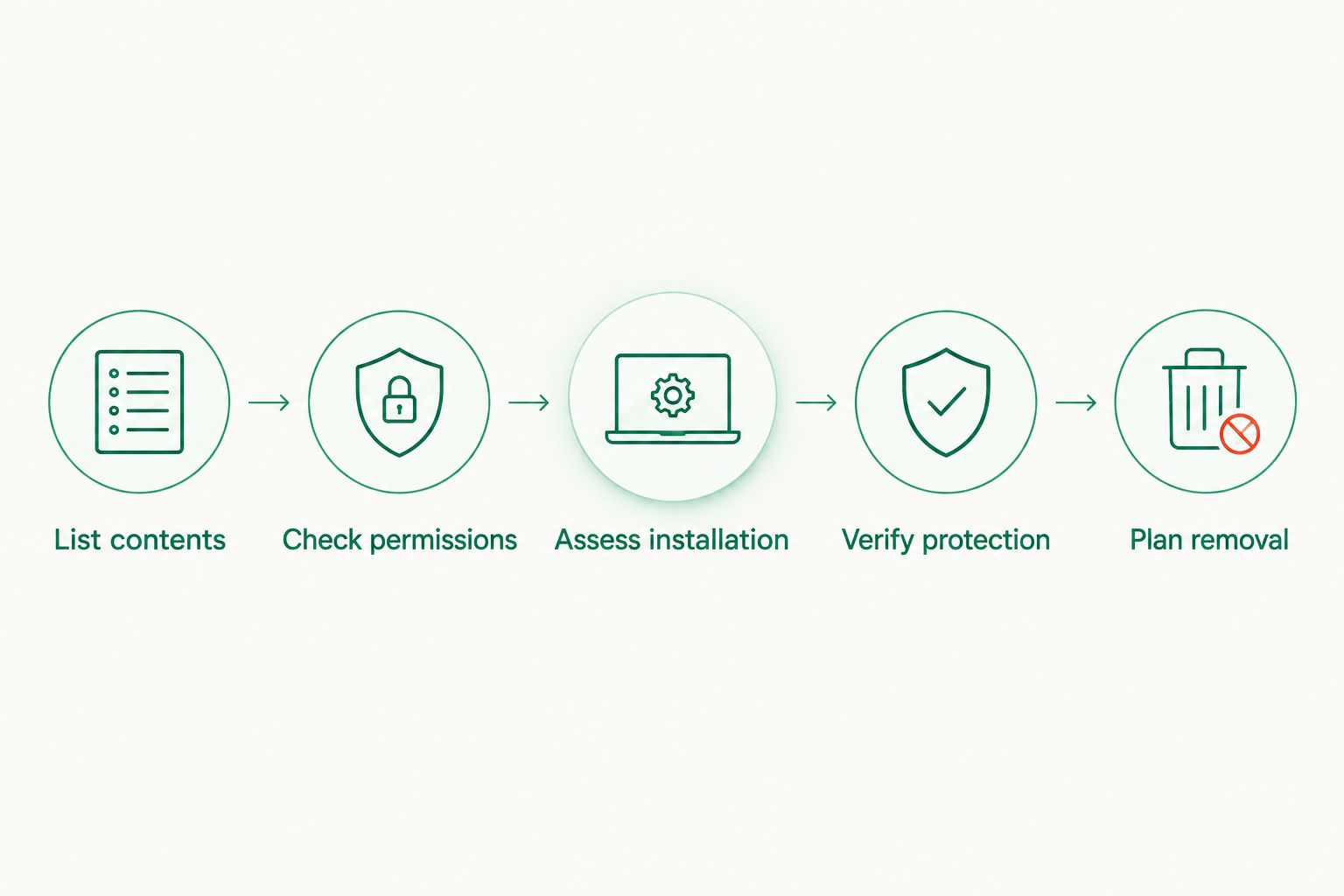
Follow this order. It prevents a common purchasing mistake: selecting the safe first and discovering later that you cannot install it as intended.
- List contents. Identify the items you will actually store, including folders and protective cases. Separate paper-storage needs from burglary-protection needs.
- Check permissions. Review the tenancy and any building rules. Describe the proposed alteration clearly when seeking approval.
- Assess installation. Have a suitable installer check the structure, fixing method, floor suitability and access route. Do not investigate concealed services by drilling exploratory holes.
- Verify protection. Read the model's documented ratings and instructions. Ask your insurer about requirements for the particular items you want covered.
- Plan removal. Establish how the safe will leave the property and how approved alterations will be made good.
The sequence matters because installation constraints can change your shortlist. A model with suitable protection is still a poor choice if it cannot be fitted appropriately in your rental.
Once permission and the location are established, review how to bolt down a safe correctly. Use the particular manufacturer's instructions and an appropriate installer rather than treating a general guide as approval for your building.
Check everyday use before ordering
Measure the safe's external dimensions, the door-opening space and its usable interior. Include skirting boards, shelves and the cupboard door in your measurements. You need to open the safe and retrieve its contents, not merely fit a closed box into the space.
Check the route into the property as well. Stairs, lift restrictions, narrow doorways and floor surfaces affect handling. Keep a record of the safe's stated weight for the installer and removal contractor; do not infer weight from its appearance.
For a digital lock, follow the manufacturer's battery and setup instructions. For a key lock, plan secure key storage away from the safe. Neither choice removes the need to protect access credentials.
Can I install a safe without my landlord's permission?
Do not assume you can alter a rental without checking the applicable requirements. Australian tenancy rules differ by jurisdiction, and the lease, proposed alteration and building arrangements all matter.
Describe the exact work rather than asking only whether you can own a safe. Permission to keep a freestanding item does not necessarily authorise drilling into a floor or wall. Retain any written agreement and clarify responsibility for removal and reinstatement.
For strata properties in 2026, check whether the proposed work affects areas or structures subject to building rules. A property manager's response does not replace a necessary technical assessment of the fixing location.
Will a safe lower my contents insurance premium?
Do not assume a home safe reduces your premium or increases your cover. Ask your insurer about the specific belongings, safe model and installation before relying on any insurance benefit.
Check item limits, listing requirements, evidence of ownership and any safe-related conditions. Keep photographs and purchase records outside the safe as well, so the records are not lost with the contents if the safe is removed.
An insurer's acceptance of a safe is not a guarantee against theft. Treat insurance and physical protection as separate parts of your storage plan.
FAQ
Is a home safe worth it for renters in 2026?
Yes, a home safe is worth it for renters in 2026 when it protects belongings kept at home and can be installed appropriately. Check permission, documented protection and eventual removal before buying.
Can I keep a safe in a rented flat without bolting it down?
An unbolted safe can provide household access control, but it remains vulnerable to removal. Check the manufacturer's installation instructions and do not treat concealment as equivalent to anchoring.
What's the best type of home safe for a renter?
The best type matches both your contents and an acceptable installation method. Prioritise documented burglary resistance for theft-sensitive valuables and suitable fire protection for original paper records.
Is a fireproof safe also burglar-resistant?
Fire protection does not automatically establish burglary resistance. Check the model's separate ratings, intended contents and installation requirements.
Can my landlord stop me drilling holes for a safe?
Check the applicable tenancy rules, lease and approval requirements before drilling. Obtain written agreement where required and clarify how the alterations will be reinstated.
Is a heavy safe secure enough without anchoring?
Weight alone does not establish adequate burglary protection or compliance with installation instructions. Check anchoring requirements and have the proposed floor and handling route assessed.
Can I take my home safe when I move rental properties?
Plan removal before installation and agree how any approved alterations will be made good. Have the new property's fixing location and access route assessed before reinstalling the safe.
One last thing
Keep the safe's recovery information somewhere other than inside the safe. Store operating instructions, purchase records and the details needed to obtain authorised assistance securely, with access restricted to the appropriate person.
Before placing valuables inside, test the lock with the door open according to its instructions. Confirm that you understand normal operation and any authorised recovery process. A secure container is only useful if you can use it correctly.
When comparing BUYASAFE home safes, write the installation requirement beside the protection requirement on your shortlist. For renters, those two conditions decide whether the purchase is useful—not the number of lock features.


