

Choose BUYASAFE if you want to compare home and business safes across several brands online; choose Safeguard Safes if its written proposal better matches your specified safe, installation requirements and service needs. This 2026 comparison separates the retailer decision from the safe’s protection, lock and installed suitability.
- For buyasafe vs safeguard safes, choose by the specified safe and installation scope, not the retailer name.
- BUYASAFE suits Australian buyers comparing home safes, fire-resistant storage and commercial safes across brands.
- Choose Safeguard Safes when its written proposal better satisfies your documented requirements.
- Fire resistance, burglary resistance and installation require separate checks before you order.
Why this matters
The safe protects your contents; the retailer supplies the buying and service experience. A useful comparison keeps those decisions separate. A familiar retailer name does not establish a particular model’s fire resistance, burglary resistance or suitability for your property.
The BUYASAFE safe retailer sells home, commercial, gun, fireproof, deposit and filing cabinet safes, plus key cabinets. Its services include installation, repair and safe opening in major Australian cities. Confirm the scope for your address and selected model rather than treating those services as automatically included.
For your 2026 shortlist, identify what you need to protect before comparing suppliers. Documents, jewellery, cash and firearms need different selection criteria, even when the cabinets look similar.
At a glance
The table below gives you a purchasing framework. Safeguard Safes earns the order when its actual proposal meets your requirements better—not through an assumed advantage in range, support or security.
| Dimension | BUYASAFE | Safeguard Safes |
|---|---|---|
| Best for | Comparing home and business safe categories across brands online | Buyers whose written proposal better meets their exact requirements |
| Standout feature | Category-based range covering several storage purposes | Evaluate the proposed solution against your brief |
| Fire and burglary protection | Check the selected model’s evidence separately | Apply the same model-specific checks |
| Locks and daily access | Mechanical and electronic examples are identified in the product range | Confirm the exact lock supplied in the proposal |
| Installation | Installation services in major Australian cities; confirm address and scope | Require an address-specific installation scope |
| Repair and safe opening | These services form part of the stated offering | Confirm the service arrangements before ordering |
| Pricing model | Compare the product purchase with any separately scoped services | Request an itemised product-and-service proposal |
| Final selection | Strong starting point for a multi-category shortlist | Wins when the documented offer fits your brief better |
BUYASAFE suits buyers who need to define the safe category
Best for: homeowners and business buyers still narrowing their requirements. The category range gives you a practical starting point: home security storage, fire-resistant document storage, cash deposits, firearm storage or key management.
The advantage is a clear way to organise your shortlist. The limitation is that a category label does not settle the specification: a home safe still needs checks for contents, access, protection and anchoring. Do not choose a model merely because it appears in the right category.
For a shop taking cash throughout the day, a deposit mechanism deserves attention before the lock finish or cabinet appearance. The Platinum D2 Defender Deposit Chute Safe is a named deposit-chute option to investigate. Confirm how deposits enter, who can retrieve them and whether the opening suits your actual cash-handling routine.
Give Safeguard Safes the same brief. If its recommendation addresses your workflow more precisely, that recommendation is the better starting point, regardless of how many other safe categories appear elsewhere.
Safeguard Safes wins when its proposal resolves your specific job better
Best for: buyers with a defined model or a detailed installation brief. Choose Safeguard Safes when its written proposal resolves the requirements that matter to your purchase more clearly.
This is a conditional purchasing advantage, not a claim about its general service quality. Assess the actual proposal. A useful offer names the safe, lock, work included, access assumptions and responsibility for installation.
The benefit of a well-specified proposal is fewer unanswered questions before you commit. Its limitation is that the proposal must still withstand scrutiny: a detailed document is not proof that the safe has the protection you need.
Use these checks for either supplier:
- Does the model identifier match the safe you intend to buy?
- Is the lock variant explicit rather than described only as digital or combination?
- Does the installation scope address the final position, not just the delivery address?
- Are exclusions and any work required from you stated clearly?
In 2026, choose the supplier that answers the brief, not the supplier that uses the strongest security adjectives. Keep the accepted specification with your purchase records.
Neither retailer name establishes fire or burglary protection
Verdict: assess the model, not the seller. Fire resistance and burglary resistance answer different questions. Evidence for one does not automatically establish the other.
For documents, request the manufacturer’s stated fire test, duration and intended contents. For theft protection, request the relevant burglary-resistance evidence and discuss the selected safe with your insurer. A marketing label such as fireproof is not a substitute for the model’s test documentation.
Your shortlist should identify:
- Contents: paper records, valuables, electronic media or another defined item type.
- Protection: the specific hazard you need the safe to address.
- Evidence: documentation applying to the exact model and variant.
- Conditions: installation or use requirements attached to that documentation.
Neither supplier earns a protection win merely by selling a heavier cabinet or a more expensive-looking lock. The winner is the documented model that meets your requirement. Where the offers specify the same model and configuration, compare the purchasing and installation arrangements separately.
Lock suitability is a model-level decision, not a retailer win
Verdict: choose the lock around daily access and maintenance. A mechanical combination lock avoids battery replacement; an electronic lock uses powered operation. Neither description alone establishes the complete safe’s resistance to attack.
The Dominator Safes TD-1C is described with a Big Red combination lock using 3 wheels, giving keyless mechanical operation without batteries to replace. That is a concrete operating distinction, not evidence that every mechanical lock is a better choice than every electronic lock.
The Dominator Safes UC-1C uses the same named lock type in a small under-counter format. Its supplied description gives an external height of 305 mm and another external dimension of 150 mm; verify the complete dimensions and orientation before deciding it fits your cabinet.
Consider the trade-offs before ordering:
- Mechanical access: no battery replacement, but you need to follow the dial sequence correctly.
- Electronic access: code entry, with battery management and model-specific recovery instructions to understand.
- Shared access: confirm the actual user-management functions rather than assuming a keypad supports separate staff credentials.
These examples help you compare lock operation and physical format. They do not establish fire resistance, internal capacity or suitability for your particular installation.


Safeguard Safes wins installation only with the better written scope
Verdict: award the installation decision to the proposal that addresses your site. Choose Safeguard Safes if its accepted scope better resolves your access route, final placement and anchoring requirements. Apply precisely the same test to the other offer.
Delivery to an address and installation in a room are different tasks. Your comparison should distinguish them explicitly, including stairs, thresholds, lift access, door clearances and any limitations at the final position.
Prepare your 2026 installation brief in this order:
- Contents: define what the safe must hold and protect.
- Model: identify the exact cabinet and lock variant.
- Access route: record the route from unloading to the final position.
- Anchoring: identify the proposed fixing surface and permission to use it.
- Handover: specify the operating instructions and checks you expect.
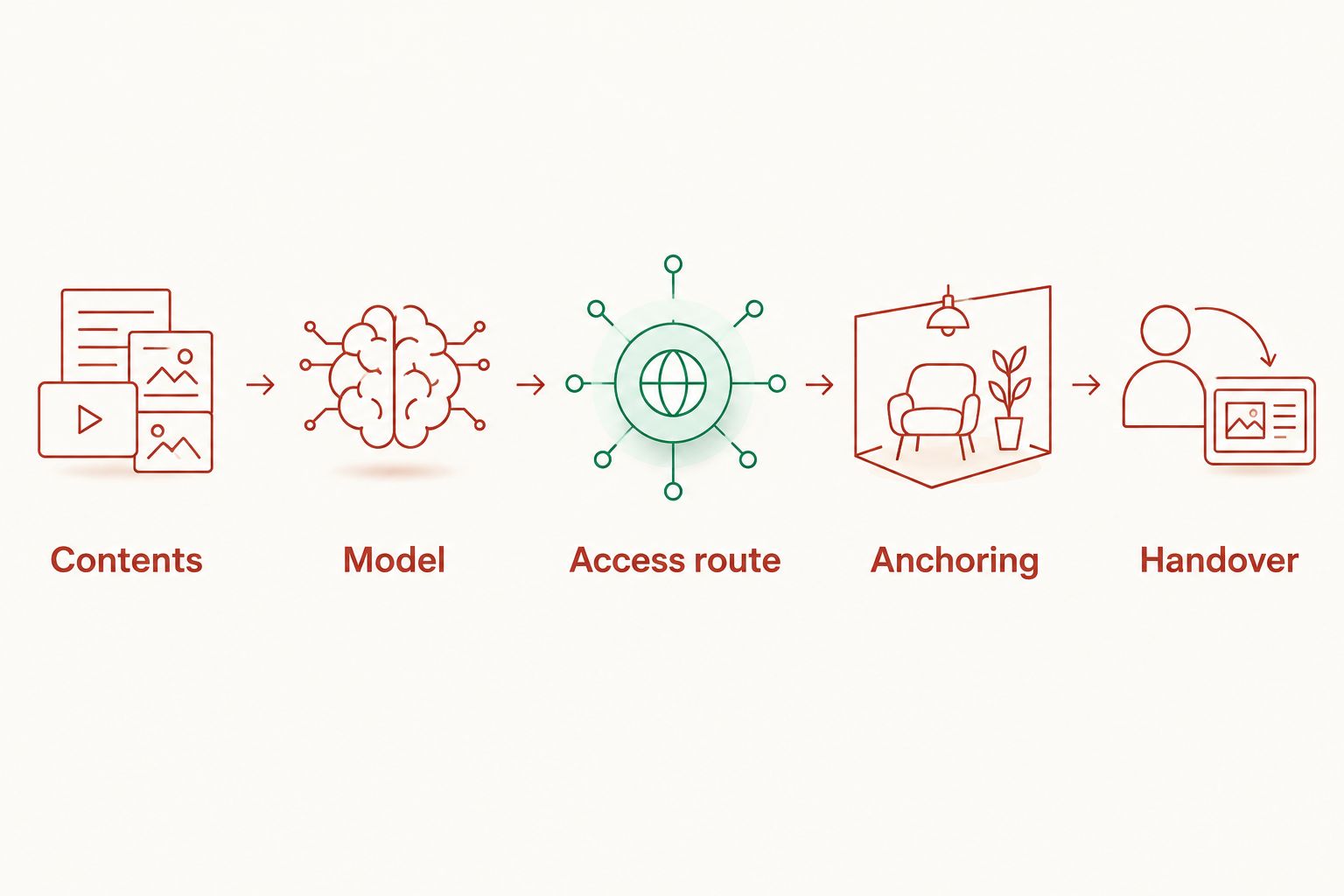
Send the same brief to both suppliers. This prevents a delivery-only offer from being mistaken for an equivalent installed solution and makes exclusions easier to identify.
For an upstairs position, do not treat physical fit as proof of floor suitability. Seek appropriate advice about the structure and the proposed load before committing to that location.
Repair and safe opening need a named service pathway
Verdict: confirm support before purchase rather than assigning an assumed winner. Repair and safe opening form part of the client’s stated service offering in major Australian cities. Confirm how those services apply to your location and model.
For Safeguard Safes, require the same clarity in writing. Identify who handles a lock fault, how you request assistance and what information you need to retain. Do not infer a response commitment from a general statement about support.
The practical advantage of a clear service pathway is knowing whom to contact. The limitation is that service access does not remove the need to follow operating instructions or keep purchase records.
Before accepting either offer, ask about:
- The process for reporting a lock or operating fault.
- The documents needed to establish ownership.
- Responsibility for manufacturer-related enquiries.
- Arrangements for service at your address.
Keep manuals and ownership records accessible outside the locked safe. Otherwise, the information you need during a lockout is stored behind the problem itself.
Pricing: compare the purchase scope, not an assumed cheaper retailer
Verdict: compare itemised offers for the same requirement. The relevant purchase structure is the safe itself plus any services needed to put it into use. Do not assume either retailer bundles delivery, installation or other work into the product purchase.
For a straightforward purchase, an itemised breakdown helps you separate the cabinet from optional work. For a difficult installation, a defined job scope gives you clearer responsibility boundaries. Neither approach is better unless it matches your situation.
Ask both suppliers to identify the safe, lock, delivery task, placement work, anchoring and exclusions. If an offer substitutes another model, restart the protection and fit checks rather than treating the substitution as equivalent.
A 2026 purchasing decision should compare equivalent outcomes. One offer ending at the unloading point and another ending with an anchored, demonstrated safe are not the same purchase, even if both mention delivery.
Final verdict: match the retailer to your buying stage
Choose BUYASAFE for a multi-category shortlist
BUYASAFE is best for Australian safe buyers comparing home and business storage categories across brands. Choose it when you need to distinguish document protection, home security, cash deposits, firearm storage and key management before selecting a model.
Its useful starting point is the category-based range. Your responsibility is to verify the selected model’s evidence, fit and service scope; the range itself does not make every option suitable.
Choose Safeguard Safes for the better documented proposal
Choose Safeguard Safes when its written offer meets your exact model, site and service requirements better. This profile suits a buyer who has already defined the job and can assess the proposal against it.
The deciding advantage must appear in the offer. Reject vague substitutions, unspecified installation work and protection claims without model-specific evidence, whichever supplier makes them.
One-glance scorecard
| Dimension | Winner |
|---|---|
| Category-led shortlisting | Client’s stated multi-category range |
| Exact-job proposal | Safeguard Safes if its documented offer meets the brief better |
| Fire and burglary protection | Model-specific evidence; no retailer-level winner |
| Lock suitability | Exact lock and access needs; no retailer-level winner |
| Installation | Safeguard Safes if its written site scope is better |
| Repair and safe opening | Confirmed service pathway for your address |
| Purchase structure | Equivalent, itemised scope |
| Overall selection | Supplier meeting the complete documented requirement |
FAQ
Is BUYASAFE better than Safeguard Safes?
BUYASAFE suits buyers comparing home and business safe categories across brands. Choose Safeguard Safes instead when its written proposal better satisfies your exact model, installation and service requirements.
What's the best way to compare two safe retailers?
Compare the same model, lock variant and installation scope using the same written brief. Assess protection evidence separately from delivery and service arrangements.
Does buying from a specialist retailer guarantee a safe's fire rating?
No; fire protection must be checked against the exact model's documentation. Request the stated test, duration and intended contents rather than relying on the retailer's name.
Is a mechanical combination lock better than an electronic safe lock?
Neither lock type is automatically better for every buyer. Mechanical operation avoids battery replacement, while electronic operation requires battery management and model-specific operating instructions.
Should I compare delivery and installation separately?
Yes; delivery to an address and installation in the final position are different tasks. Require a written scope covering the access route, placement and any anchoring work.
Which retailer should I choose for a business deposit safe?
Choose the retailer whose specified model and proposal fit your cash-handling workflow. Check how staff deposit cash, who retrieves it and what protection evidence applies to the model.
What should I check before ordering a safe in 2026?
Check contents, protection evidence, complete dimensions, lock operation and installation requirements before ordering. Keep the accepted specification and ownership records accessible outside the safe.
One last thing
Measure the largest item you intend to store, not just the space where the safe will stand. External dimensions do not tell you whether a document folder, cash tray or other item passes through the door and fits around the internal fittings.
Before you order, confirm usable internal dimensions, the door opening and shelf arrangement for the exact model. That check turns a retailer comparison into a safe you can actually use.


