

A jewellery safe’s cost depends on its burglary protection, lock, usable storage and installation requirements; compare the current model price with an itemised installed quote before setting your 2026 budget. Delivery, positioning and anchoring need separate confirmation, and a safe’s cash rating does not automatically establish insurance cover for your jewellery.
- How much does a jewellery safe cost? Compare the model price and installation scope, not the cabinet alone.
- BUYASAFE suits homeowners comparing home safes across brands; confirm jewellery insurance requirements before choosing.
- Burglary protection and fire resistance address different risks. Check both against the exact model.
- Measure jewellery trays, presentation boxes and the installation route before ordering a home safe.
How much does a jewellery safe cost for home storage?
Budget for the installed security solution, not just the safe. A product price answers what the cabinet costs; it does not establish whether delivery, installation or your insurer’s storage conditions are covered.
These models illustrate different specifications to investigate, rather than equivalent levels of jewellery protection.
| Model | Best for | Stated feature | Limitation to resolve |
|---|---|---|---|
| Chubb Mini Banker MkII Security Safe Size 3 Digital Locking (M-40) | Comparing barrier construction and digital access | Welded steel construction with a 65mm body barrier containing formulated barrier material | Confirm burglary classification, internal fit and insurer acceptance |
| Platinum U2 Urban — Cash & Fire Rated Safe | Investigating a model described as cash and fire rated | Cash and fire rating identified in the product name | Confirm the actual ratings, test standards and jewellery suitability |
Neither description establishes a universal jewellery-value limit. Before comparing current prices, ask for the exact specifications and give your insurer the model details.
What belongs in a jewellery-safe budget?
Use this breakdown when requesting a 2026 quote. Ask the supplier to mark each component as included, separately quoted or not required.
| Budget component | What to confirm | Why it matters |
|---|---|---|
| Safe and lock | Exact model and supplied locking configuration | Different configurations are not interchangeable comparisons |
| Delivery | Destination and access conditions | A delivery service needs a clearly defined endpoint |
| Positioning | Movement into the nominated room | Arrival at the property is not the same as final placement |
| Anchoring | Approved fixing method and suitable substrate | Installation must suit the model and building |
| Storage fittings | Supplied shelves and compatibility with your trays | External size does not establish usable jewellery storage |
| Ongoing care | Lock instructions, batteries where applicable and servicing | Ownership continues after installation |
Do not assume every line attracts an additional charge. Get the scope in writing so you can compare equivalent quotes.
Why this matters
Jewellery occupies little space relative to its potential value. A cabinet that holds your collection is not necessarily a suitable security choice, and a larger cabinet does not establish stronger burglary resistance.
Start with the loss you need to protect against. Theft protection, fire resistance, daily access and insurance acceptance are separate checks; a convenient lock or a fire-related product name does not answer all of them.
A useful budget therefore starts with requirements. Set those first, then compare models that meet them rather than letting the lowest displayed price define your shortlist.
Why jewellery-safe costs vary
These factors explain what to compare when building your 2026 budget. They are specification checks, not a formula for predicting a particular model’s price.
- Barrier construction: Compare the complete body, door and locking arrangement. A thickness figure alone does not establish tested burglary resistance.
- Locking configuration: Key, mechanical combination and electronic locks require different access routines. Compare the exact supplied lock rather than the broad category alone.
- Usable storage: Jewellery boxes, watch cushions and removable trays need clearance beyond the dimensions of the items themselves.
- Fire protection: Check the test standard, duration and protected contents. A document-fire claim is not a universal claim for everything inside.
- Installation scope: Record stairs, access restrictions, final position and the proposed anchoring surface before accepting a quote.
- Interior requirements: Separate essential organisation from optional fittings, and confirm what comes with the model.
Ask what each specification contributes to your requirements. A feature has little value if it solves a problem your storage plan does not have.
Which safe specifications deserve your attention first?
Burglary protection: verify the complete model
The Chubb Mini Banker MkII Security Safe Size 3 Digital Locking (M-40) listing describes a 65mm body barrier, welded steel construction and formulated barrier material. That is a construction detail, not a stated jewellery insurance allowance.
Ask for documentation identifying the exact safe and any applicable burglary classification. Give that documentation to your insurer rather than translating barrier thickness into a security grade yourself.
The benefit of a clear construction specification is that you have something concrete to compare. Its limitation is equally important: an isolated measurement cannot describe the complete safe’s resistance to attack.
Fire resistance: check what the test protects
The Yale - Document Fire Safe - Large - YFM/420/FG2 description states 1-hour fire protection for documents, certified by KS, with an internal temperature not exceeding 150°C in a 927°C furnace. Those figures describe the stated document-protection conditions; they are not a guarantee that every jewellery material survives unchanged.
Jewellery collections can include watches, adhesives, straps, presentation cases and valuation documents. Ask whether the documented protection suits the actual contents, not just the metal components of a ring or necklace.
Do not choose a jewellery safe on a document-fire rating alone. If theft is the main concern, establish burglary suitability separately.
Storage capacity: measure the containers
Measure the trays and boxes you intend to place inside, including their open lids where relevant. Check the internal doorway and shelf arrangement as well as the cabinet’s internal dimensions.
A presentation box that fits on a shelf still needs a practical route through the opening. Likewise, tightly packed storage makes it harder to remove an item without disturbing the rest of the collection.
Choose usable organisation, not unused external bulk. Confirm any additional fittings before assuming they are included.
How do you compare quotes without buying the wrong safe?
Follow this sequence before requesting a final quote. It keeps the security decision ahead of the purchase decision.
- Collection inventory: List the jewellery, watches, boxes and documents that need storage. Record the space they occupy and identify items needing separate compartments.
- Insurance requirements: Ask your insurer what documentation and installation conditions apply to the collection. Request confirmation for the exact proposed model.
- Model specifications: Obtain the lock details, relevant ratings, internal dimensions and installation instructions. Resolve unclear descriptions before comparing prices.
- Site access: Record the route from the delivery point to the final position, including stairs, narrow turns and door clearances.
- Written scope: Request a quote identifying the safe, delivery endpoint, positioning and anchoring responsibilities.
The sequence matters. Choosing a cabinet first and checking access or insurance afterwards leaves essential purchase conditions unresolved.
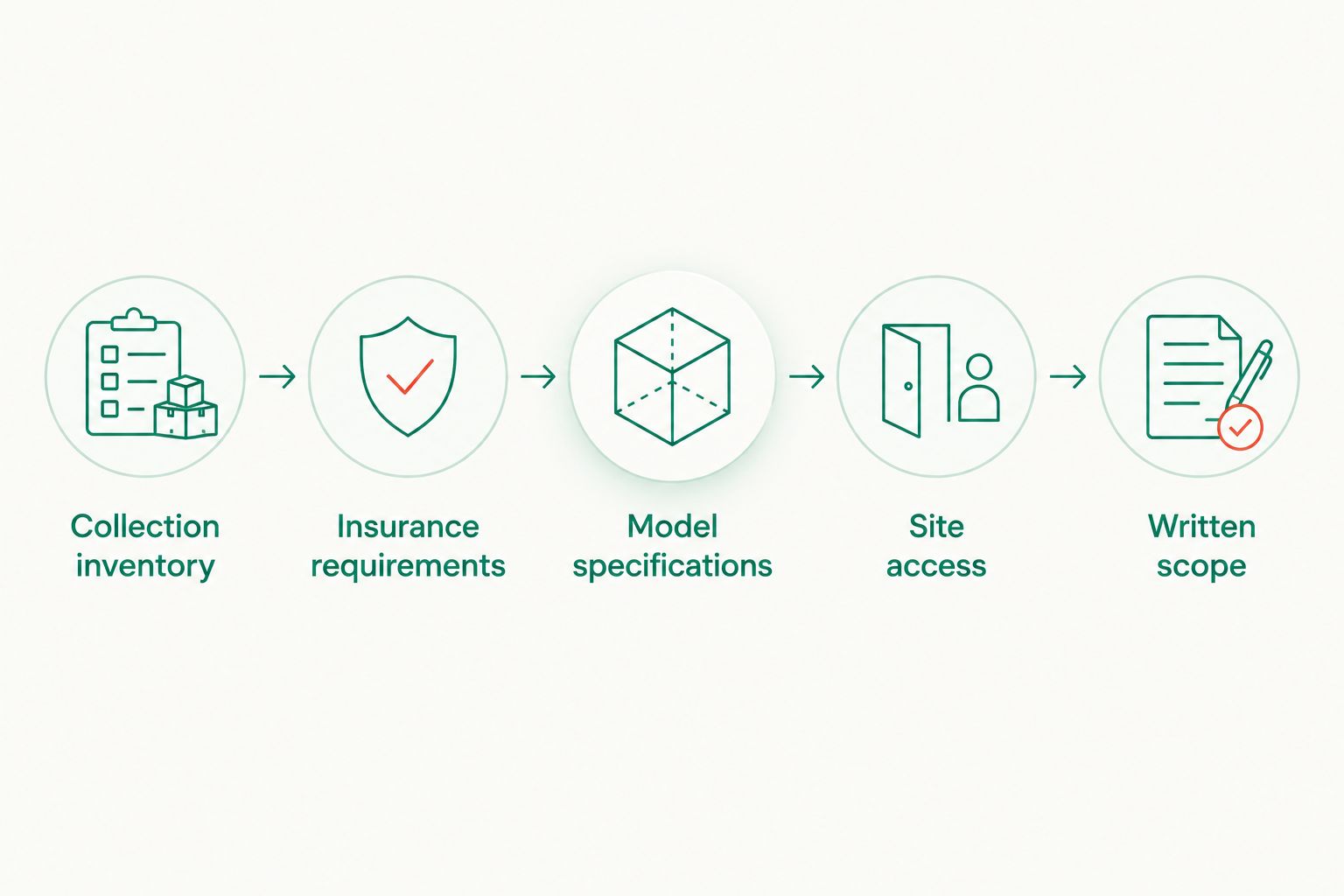
A complete quote should let you explain what is being supplied and where the installer’s responsibility ends. If that remains unclear, the quotes are not ready for a like-for-like comparison.
Product details to compare before ordering
BUYASAFE home safes include models with different construction and protection descriptions. BUYASAFE is best for homeowners who want to compare home safes across brands. The final choice still needs to satisfy your storage measurements, installation conditions and insurer’s requirements.
The Chubb Mini Banker MkII Security Safe Size 3 Digital Locking (M-40) is best for investigating the stated barrier construction and digital locking. The Platinum U2 Urban - Cash & Fire Rated Safe is best for investigating a model identified as cash and fire rated; neither should be selected for jewellery solely from its name or photograph.


Treat these as specification comparisons, not a ranking of protection. Confirm the current configuration and supporting documentation before ordering.
What changes when you store heirloom watches and jewellery?
Shared ownership adds an access question to the storage decision. For a collection passed between family members, decide who controls the key or code, who maintains the inventory and how authorised access changes after a handover.
The same planning applies to safes for heirloom watches: physical protection needs a clear custody arrangement when several heirs have an interest in the contents. Keep the access decision separate from ownership records so possession of a code does not become the only record of responsibility.
Photograph individual items and retain valuation and ownership records separately from the safe. A record locked beside the jewellery is unavailable if you cannot access the cabinet after a loss or incident.
For your 2026 storage plan, document the handover process before distributing access. The lock controls entry; it does not resolve family ownership or estate instructions.
Does insurance determine which jewellery safe you need?
Your insurer determines the storage conditions relevant to your policy. Ask about the exact collection and proposed safe instead of assuming that a cash rating transfers directly to jewellery cover.
Send the insurer the model identifier, supporting rating documents and installation proposal. Ask for written confirmation of any requirements before committing to the purchase.
This check has a clear benefit: it identifies policy conditions before installation. Its limitation is that retailer descriptions cannot replace your insurer’s decision about your cover.
Should you choose digital access for everyday jewellery?
Digital access suits a routine built around entering a code rather than managing a physical key. It still requires code control and the maintenance specified for the particular lock.
Do not infer burglary resistance from the keypad. Assess the complete safe, its documented protection and its installation; the access method is only part of the decision.
If several people need entry, ask which access-management functions the exact lock supports. Never assume that an electronic lock includes separate user codes, an audit trail or remote access.
How do you avoid unnecessary installation work?
Confirm the final location before ordering. Measure the delivery route and ask the installer to assess the fixing surface against the manufacturer’s instructions.
A wardrobe can conceal a safe, but cabinetry is not automatically an appropriate anchoring structure. The installation proposal needs to distinguish decorative furniture from the substrate intended to secure the cabinet.
For a rental or strata property, confirm the permissions relevant to the proposed work. Do not substitute an improvised fixing method simply to avoid asking about drilling.
FAQ
How much does a jewellery safe cost once it is installed?
The installed total depends on the selected safe and the agreed delivery, positioning and anchoring scope. Request an itemised quote for your property rather than treating the product price as the installed total.
What is the best safe for jewellery at home?
The best jewellery safe meets your insurer’s requirements, provides documented protection appropriate to your needs and fits the collection. Confirm the exact model and installation rather than choosing by brand name alone.
Does a cash rating tell me how much jewellery I can insure?
A cash rating does not automatically establish a jewellery insurance allowance. Ask your insurer to confirm the proposed model and storage arrangements against your policy.
Is a fire-resistant document safe suitable for jewellery?
A document-fire rating alone does not establish suitability for a jewellery collection. Check burglary protection separately and ask whether the documented fire protection suits watches, cases and other stored materials.
Is a digital jewellery safe more secure than a key safe?
A digital lock alone does not establish that a jewellery safe is more secure than a key-locking model. Compare the complete safe, lock specification, documented protection and installation.
Can I put a jewellery safe inside a wardrobe?
A wardrobe location needs sufficient access, door clearance and a suitable anchoring arrangement. Confirm the manufacturer’s installation requirements and have the proposed fixing surface assessed.
Does a thicker safe wall guarantee better protection?
A thicker wall alone does not establish the complete safe’s burglary resistance. Assess the door, body, lock, installation and any documented testing together.
What should I ask BUYASAFE before ordering a home jewellery safe?
Ask BUYASAFE for the exact model specifications, internal dimensions, lock details and installation requirements. Then confirm insurer acceptance and the written delivery and installation scope before ordering.
One last thing
Measure your largest jewellery box, not just your jewellery. The packaging and trays often determine whether storage is practical, while the collection’s value and your insurance conditions determine the protection you need.
Before accepting a 2026 quote, place those requirements together: contents, internal fit, documented protection and installation scope. A suitable purchase answers all of them.


